Framing
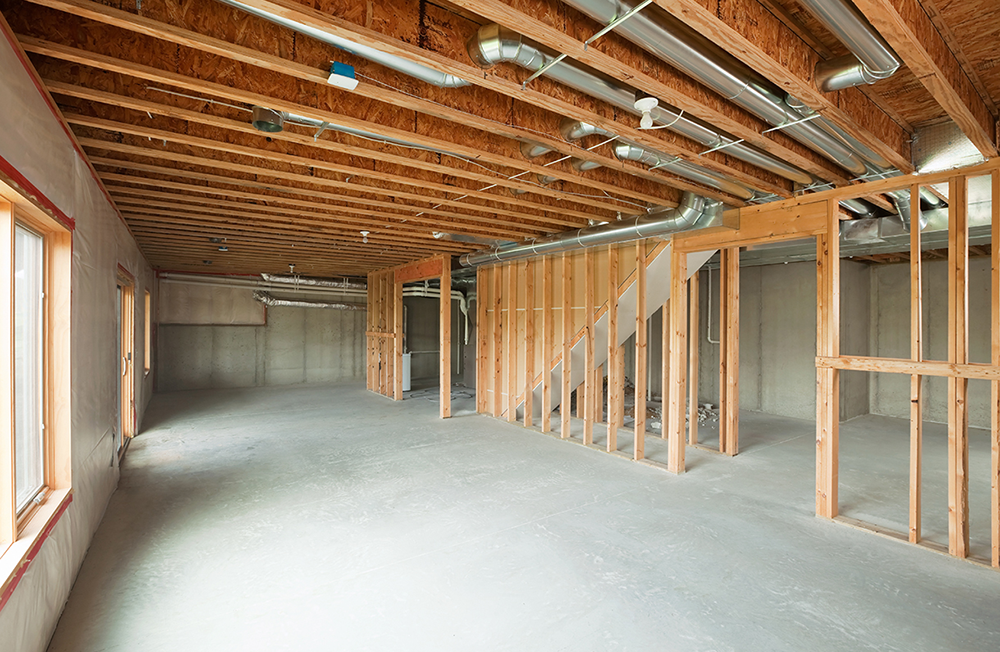
Framing
Structural framing in construction refers to the process of assembling the essential support system for a building. It involves creating the framework that holds up the entire structure, dictates its design, and supports subsequent construction activities. Here are some key points about structural framing:
Components of Structural Framing:
- Beams: Horizontal members that carry loads (such as the weight of floors, walls, and roof) and transfer them to columns or other supports.
- Columns: Vertical members that provide vertical support and transfer loads to the foundation.
- Walls, Floors, and Roofs: These components are part of the overall framing system and contribute to the stability and integrity of the building.
Types of Structural Frames:
- Rigid Frame (Fixed-Fixed Frame):
- Support Types: Two fixed supports.
- Characteristics:
- Moment-stiff connections.
- Indeterminate static system.
- Takes up vertical, horizontal, and moment reactions.
- Pinned-Pinned Frame:
- Support Types: Two pin supports.
- Characteristics:
- Moment-stiff connections.
- Statically indeterminate.
- Takes up vertical and horizontal reactions.
- Pinned-Roller Frame:
- Support Types: One pin support and one roller support.
- Characteristics:
- Moment-stiff connections.
- Statically determinate.
- Takes up vertical and horizontal reactions.
- Frames with Hinge Connections:
- Support Types: Fixed, pin, and/or roller.
- Characteristics:
- Can add hinges to pinned-pinned frames or fixed-fixed frames.
- Cannot introduce a hinge to a pinned-roller frame (would make the system unstable).
- Rigid Frame (Fixed-Fixed Frame):
Remember that structural framing is essential for creating stable and safe buildings, bridges, and various other structures. It’s the backbone that ensures the integrity of the entire construction.